Crafting Delicious Recipes with Exotic Flavors

Food is more than just sustenance; it is an experience that can transport us to different cultures and lands. The world is filled with a rich tapestry of flavors waiting to be explored. By incorporating exotic ingredients and techniques into your cooking, you can create dishes that not only tantalize the taste buds but also tell a story. In this blog post, we will delve into the art of crafting delicious recipes with exotic flavors, providing you with tips, techniques, and specific examples to elevate your culinary creations.
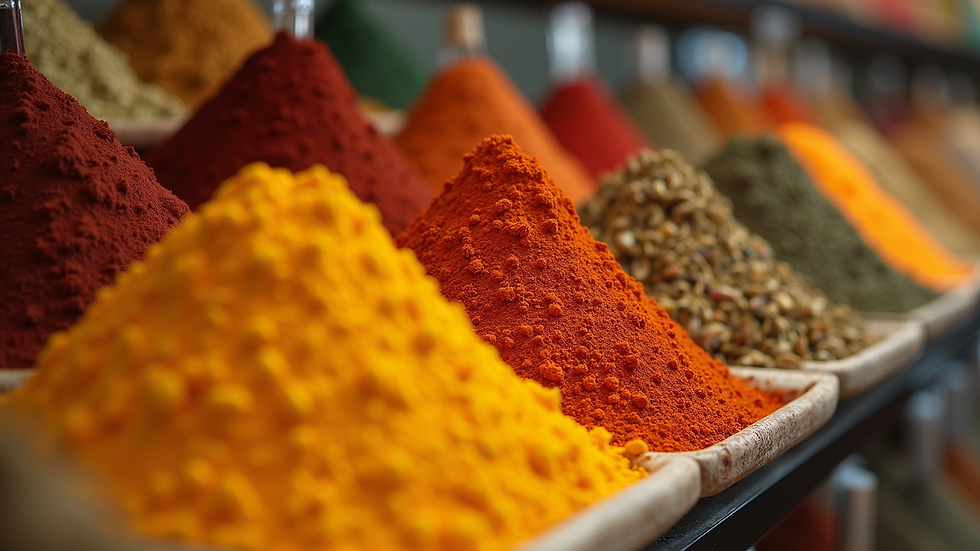
Understanding Exotic Flavors
Exotic flavors often come from ingredients that are not commonly found in your local grocery store. These can include spices, herbs, fruits, and vegetables that originate from different parts of the world. Understanding these flavors is the first step in incorporating them into your cooking.
What Makes a Flavor Exotic?
Origin: Ingredients that are native to specific regions, such as saffron from Iran or cardamom from India, can be considered exotic.
Rarity: Some ingredients are rare or hard to find, making them special. For example, black garlic is gaining popularity but is still not widely available.
Complexity: Exotic flavors often have complex profiles that can include sweet, savory, spicy, and sour notes all in one ingredient.
Examples of Exotic Ingredients
Sumac: A tangy spice from the Middle East that adds a lemony flavor to dishes.
Miso: A fermented soybean paste from Japan that brings umami depth to soups and marinades.
Kaffir Lime Leaves: These leaves are used in Southeast Asian cuisine for their aromatic citrus flavor.
Techniques for Incorporating Exotic Flavors
Once you have a grasp of what exotic flavors are, the next step is learning how to use them effectively in your cooking. Here are some techniques to consider:
1. Start Small
When introducing exotic ingredients into your dishes, start with small amounts. This allows you to gauge the flavor and adjust according to your taste. For instance, if you’re using sumac for the first time, sprinkle a little over roasted vegetables before adding more.
2. Pairing with Familiar Ingredients
To ease into exotic flavors, pair them with ingredients you already know and love. For example, mix miso into a classic potato soup for a unique twist. The familiar creaminess of the potatoes will balance the boldness of the miso.
3. Experiment with Marinades
Marinades are a fantastic way to infuse exotic flavors into meats and vegetables. Combine ingredients like soy sauce, ginger, and garlic with a splash of lime juice for a zesty marinade that works well with chicken or tofu.
4. Use in Sauces and Dressings
Incorporating exotic flavors into sauces and dressings can elevate your dishes. A dressing made with tahini, lemon juice, and za'atar can transform a simple salad into a culinary delight.
Crafting Recipes with Exotic Flavors
Now that you understand how to use exotic ingredients, let’s explore some specific recipes that highlight these flavors.
Spiced Chickpea and Quinoa Bowl
This nourishing bowl is packed with protein and flavor, making it a perfect meal for lunch or dinner.
Ingredients
1 cup quinoa
1 can chickpeas, drained and rinsed
2 tablespoons olive oil
1 teaspoon cumin
1 teaspoon coriander
1 teaspoon smoked paprika
Salt and pepper to taste
Fresh cilantro for garnish
Lemon wedges for serving
Instructions
Cook the Quinoa: Rinse the quinoa under cold water. In a saucepan, combine quinoa with 2 cups of water. Bring to a boil, then reduce heat and simmer for 15 minutes or until water is absorbed. Fluff with a fork.
Prepare the Chickpeas: In a skillet, heat olive oil over medium heat. Add chickpeas, cumin, coriander, smoked paprika, salt, and pepper. Cook for about 5-7 minutes until chickpeas are golden and crispy.
Assemble the Bowl: In a bowl, layer quinoa, spiced chickpeas, and garnish with fresh cilantro. Serve with lemon wedges for an extra zing.
Coconut Curry with Kaffir Lime
This fragrant coconut curry is a delightful way to experience the flavors of Southeast Asia.
Ingredients
1 can coconut milk
2 tablespoons red curry paste
1 cup vegetable broth
1 cup mixed vegetables (bell peppers, carrots, snap peas)
3 kaffir lime leaves
Fresh basil for garnish
Cooked rice for serving
Instructions
Make the Curry Base: In a pot, combine coconut milk, red curry paste, and vegetable broth. Bring to a simmer.
Add Vegetables: Stir in mixed vegetables and kaffir lime leaves. Cook for 10-15 minutes until vegetables are tender.
Serve: Remove kaffir lime leaves before serving. Ladle curry over cooked rice and garnish with fresh basil.
Tips for Sourcing Exotic Ingredients
Finding exotic ingredients can sometimes be a challenge. Here are some tips to help you source them:
Local Markets: Visit local farmers' markets or specialty grocery stores that focus on international foods.
Online Retailers: Many online retailers specialize in exotic spices and ingredients. Websites like Amazon or specialty spice shops can be great resources.
Ethnic Grocery Stores: Explore ethnic grocery stores in your area. They often carry a wide range of exotic ingredients at reasonable prices.
Conclusion
Incorporating exotic flavors into your cooking can transform your meals from ordinary to extraordinary. By understanding these flavors, experimenting with techniques, and trying out new recipes, you can create dishes that not only satisfy your hunger but also excite your palate. So, gather your spices, embrace the adventure, and start crafting delicious recipes that celebrate the world’s diverse culinary heritage.
Remember, the journey of flavor exploration is ongoing. Don’t hesitate to try new ingredients and techniques as you continue to expand your culinary repertoire. Happy cooking!
Comments